

New Orleans – Neighborhood Guide
One of the things that makes New Orleans so special is its variety of unique neighborhoods. Everyone is familiar with the French Quarter, which is party central. But there’s more to New Orleans than just Bourbon Street.
The neighborhoods of New Orleans stand out from one another, and in order to get a comprehensive view of the city, you should check out a few of them. So venture out and see some of the unique neighborhoods NOLA has to offer.
French Quarter
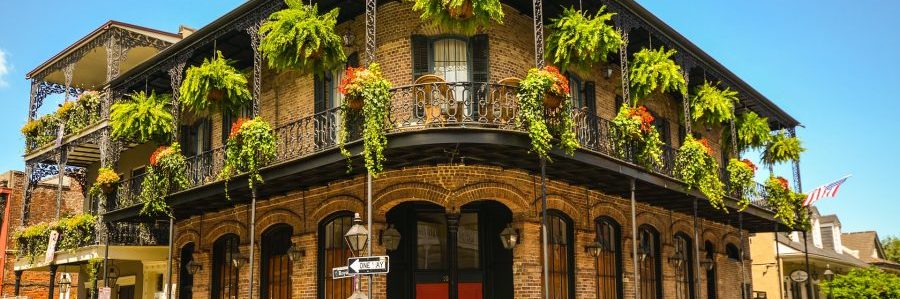
 The French Quarter is the oldest and most popular neighborhood in all of New Orleans. It’s beautifully historic and undeniably the center of the action in NOLA. There’s jazz, energy, history, and drinks, making it a quintessential New Orleans neighborhood.
One of the best parts of the French Quarter is its open container policy. As long as drinks are in a plastic container, visitors can carry them around in the street.
That’s exactly the kind of party atmosphere that fills Bourbon Street, one of the most famous streets in the entire country. It’s known for its concentration of bars and clubs and is also the site of the annual Mardi Gras celebrations.
In addition to the non-stop partying, the French Quarter is home to multiple award-winning dining establishments, quaint hotels, plenty of boutiques, and historic spots. The entire neighborhood is designated a National Historic Landmark, reassuring guests that you don’t have to be a party animal to enjoy the French Quarter.
Garden District
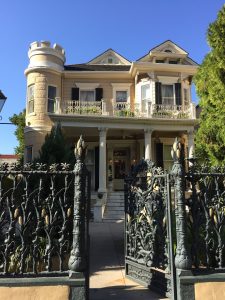 Just as historic as the French Quarter, the Garden District is an elegant neighborhood with plenty of historic charm. This residential area is elegant and upscale, with large oak trees lining quiet streets. Visitors to this neighborhood are usually there to see one thing: the impressive mansions.
The Garden District was settled in the mid-1800s and populated by the upper-class citizens who wanted to separate themselves from the Creole community. They created grand mansions that are the epitome of Southern charm and old wealth.
By walking through this peaceful neighborhood and viewing some of the astonishing homes, you’ll feel transported to a different time. Afterward, shop at a stylish boutique, peruse rare antiques, or visit an upscale restaurant.
Tremé
Tremé is the oldest black neighborhood in the United States, making it a meaningful destination. When you visit Tremé, you’re immersed in an authentic and historic New Orleans neighborhood filled with lively jazz clubs, soul food eateries, and museums that celebrate Tremé’s history.
This neighborhood is the ultimate destination for those looking to try authentic Creole food. One of the most popular restaurants is Dooky Chase’s, which specializes in Creole cuisine, Southern staples, and seafood.
The chef at Dooky Chase’s, Leah Chase, is known as the “Queen of Creole Cuisine” and has served the likes of Duke Ellington, Thurgood Marshall, Ray Charles, and Barack Obama. With guests of this caliber, you know you’re in for a great meal at Dooky Chase’s.
After filling up on classic Creole dishes, explore the Backstreet Cultural Museum, listen to live music in Louis Armstrong Park, or catch a jazz funeral marching down the street.
Arts District
Every big city has an arts district, and New Orleans is no different. Their Arts District, also known as the Warehouse District, is a trendy, up-and-coming neighborhood. It used to be the industrial area of New Orleans, which is why warehouses fill the area. That time has passed, and now those warehouses have been transformed into community spaces, art galleries, trendy bars, restaurants, and more.
Those interested in the city’s art scene can visit one of the 25 galleries in the neighborhood. After perusing the work of talented artists, taste food made by talented chefs. A few of the restaurants in the Arts District feature James Beard Award-winning chefs, guaranteeing you’re going to have a delicious meal.
The Arts District is also home to multiple museums. So in addition to learning about art, visitors can enjoy a history lesson as well. Museums in the Arts District include The National World War II Museum, Louisiana’s Civil War Museum, The Children’s Museum, and the Odgen Museum of Southern Art. Many of these museums are located in former warehouses, adding a layer of historic significance to the experience.
The Arts District is a neighborhood on the rise that’s already home to an incredible amount of attractions, which is why it needs to be on your itinerary.
Marigny and Bywater
 If you’re looking for a hip, artsy neighborhood even more off the beaten path than the Arts District, check out Marigny and Bywater. These side-by-side neighborhoods both have a hipster vibe. They’re quite far from the main attractions of New Orleans but are still worth checking out.
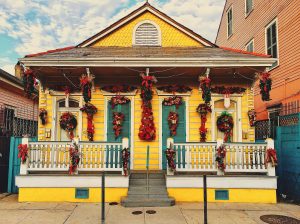
One of the most popular things to see in the Marigny and Bywater neighborhoods are the colorful cottages sprinkled throughout the area. These modest homes stand out with their brilliantly colorful exteriors. The cottages are bright, photogenic shades of turquoise, pink, yellow, orange, and green.
Frenchmen Street is also located in this area, which is famous for its live music. Street performers are out from lunchtime till sundown, so wander through and enjoy live performances of all kinds. After all, it wouldn’t be New Orleans without some music in the streets!
Lakeview
What’s more beautiful than a charming town on the water? Lakeview, also referred to as Lakefront, sits right along the shore, providing the most beautiful views of any neighborhood.
This casual and friendly neighborhood was settled after World War II when soldiers came back from the war and wanted to settle down in a peaceful area to raise their families. It’s this positive and familial vibe that makes Lakeview such a nice place to visit today.
Visitors watch sailboats dotted along the water while enjoying some of the freshest seafood in the city. There are also plenty of waterfront bars where you can enjoy a drink at sunset. Lakeview also features attractions like cemeteries, public parks, amusement parks, and even the New Orleans Museum of Art.