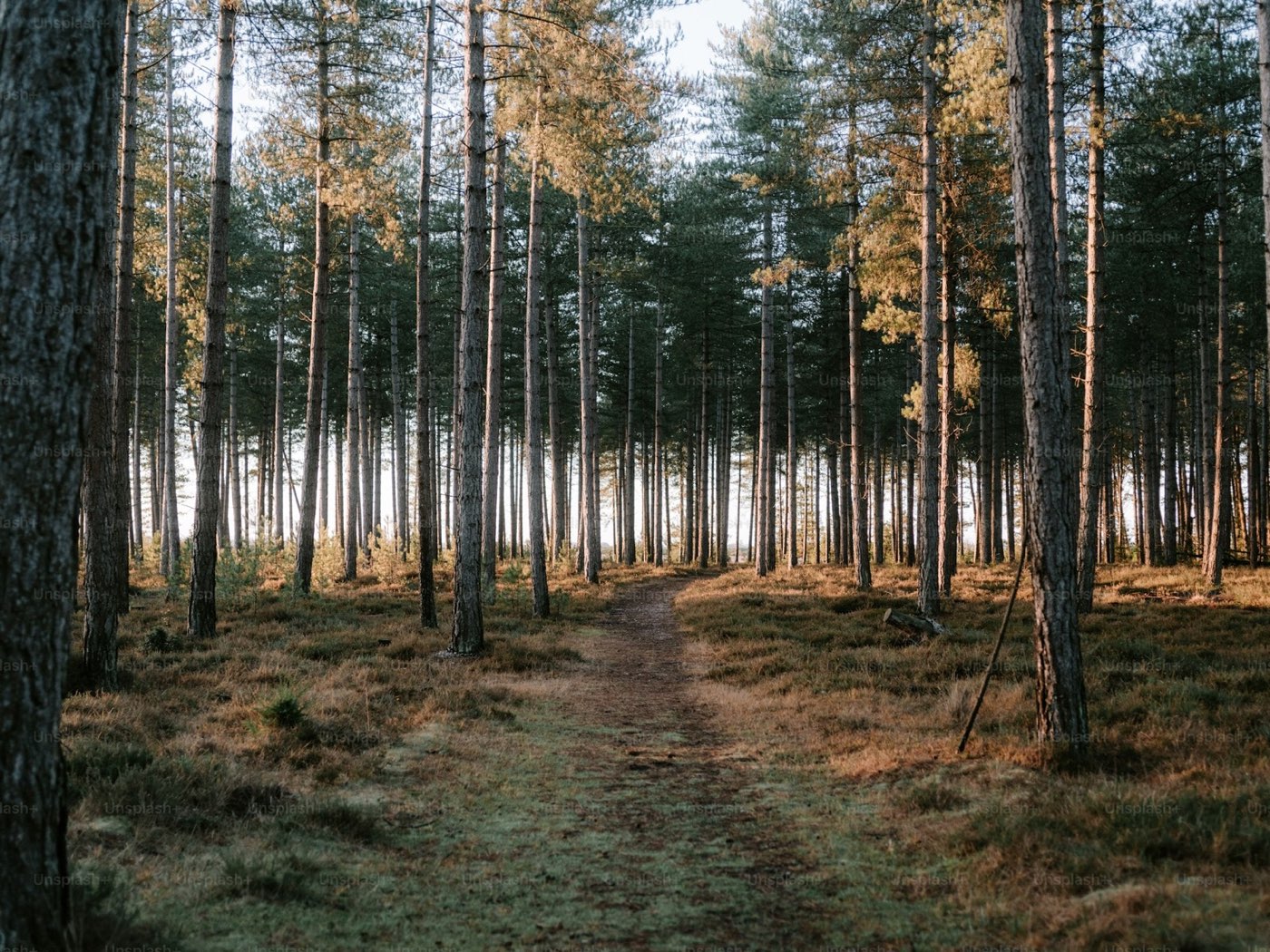
Hotels near Little Pend Oreille National Wildlife Refuge
1310 Bear Creek Rd., Colville, WA 99114
Hotels near Little Pend Oreille National Wildlife Refuge
Swipe to find hotels on the map.
- 1
Bennys Colville Inn
- 2
Selkirk Motel
- 3
Chewelah Motel and RV Park
- 4
Mistequa Casino Hotel
- 5
Columbia Point Resort
Booking with a group?
9+ rooms unlocks group rates — save up to 70%, everyone pays separately.
Which hotel fits best?
Best brands for outdoor recreation trips and amenities that actually matter.
What's around the venue?
Food, traffic, and game-day tips you won't find on other booking sites.
5 Hotels near Little Pend Oreille National Wildlife Refuge
Multiple hotel sources, one search — rates you won't find on a single booking site.

Bennys Colville Inn
This budget property delivers honest value and hot meals when nature wears you out.
- Receive guidance on scenic byways and nature drives at check-in
- Refuel quickly with grab-and-go options ideal for active nature lovers
- Recharge in simple rooms designed for quality sleep after outdoor adventures

Selkirk Motel
The motel advantage is speed from ignition-off to lights-out without extra walking.
- Fuel early departures with grab-and-go breakfast items every single morning
- Load kayaks and camping supplies with convenient ground-floor room access
- Prepare for tomorrow's adventures with convenient in-room coffee and refrigerators

Chewelah Motel and RV Park
Nothing slows down nature enthusiasts who need rapid turnaround between excursions.
- Find quick breakfast options ready whenever your morning starts early
- Return from day hikes to hassle-free parking steps from bed
- Refresh quickly with in-room amenities that minimize transition time

Mistequa Casino Hotel
Locally curated design creates a retreat built for outdoor enthusiasts returning home.
- Recharge in thoughtfully designed rooms featuring curated artisan bedding collections
- Receive personalized route suggestions from staff familiar with area terrain
- Discover rotating breakfast menus featuring regional ingredients and farm-fresh produce

Columbia Point Resort
Properties with elevated service simplify the work of outfitting wilderness trips.
- Arrange private shuttles to trailheads and scenic overlook destinations daily
- Relax in sophisticated breakfast venues with attentive tableside service available
- Discover curated outdoor spaces designed for sunset viewing and stargazing
Booking 9+ rooms? Get group rates.
Little Pend Oreille National Wildlife Refuge Travel Guide
We built this guide so your team doesn't have to figure it all out from a Google search. Neighborhoods, restaurants, game day logistics, local tips — it's all here.
Discover the natural beauty and outdoor opportunities surrounding the Little Pend Oreille National Wildlife Refuge, located near Colville, Washington. This guide is designed for visitors planning a trip focused on wildlife viewing, hiking, and experiencing the tranquility of the Pacific Northwest wilderness. You'll find essential information on navigating the area, finding accommodations, planning your activities, and understanding the local environment to make your visit seamless and enjoyable. Prepare for an immersive nature experience with practical insights to help you maximize your time in this scenic region.
Neighborhood Overview
The Little Pend Oreille National Wildlife Refuge is situated in Stevens County in northeastern Washington, a region characterized by rolling hills, dense forests, and numerous lakes and streams. The refuge itself is a sprawling natural area, primarily accessed via Bear Creek Road, which connects to local highways leading into the nearby town of Colville. Access to the refuge is generally straightforward, though services can be limited once you are within the refuge boundaries. The nearest major airport is Spokane International Airport (GEG), approximately a 2.5 to 3-hour drive to the southeast, necessitating travel by car. Driving is the most practical way to reach and explore the refuge and its surroundings. Visitors should expect well-maintained county roads leading to the refuge, but internal roads can vary in condition, especially during certain seasons. Planning your arrival during daylight hours is recommended, as some access routes may not be well-lit, and identifying key turnoffs or trailheads is easier with good visibility. Consider downloading offline maps, as cell service can be spotty within and around the refuge.
Where to Stay
Accommodations near the Little Pend Oreille National Wildlife Refuge are primarily concentrated in the city of Colville, which serves as the main gateway town. While there are no hotels directly adjacent to the refuge, Colville offers a range of lodging options, from motels to more established hotels, catering to visitors seeking a comfortable base. Many visitors choose Colville for its proximity, allowing for easy day trips into the refuge. Areas slightly outside Colville may offer more secluded cabin rentals or vacation homes, appealing to those seeking a quieter experience closer to nature. Due to the refuge's remote location, hotel demand is generally lower than in major tourist hubs, but it can increase during peak seasons for outdoor recreation or local festivals. Booking accommodations in Colville or nearby communities in advance is advisable, especially if your visit coincides with local events or during the summer months when outdoor activities are most popular. Utilizing map filters to search for lodging in Colville and then assessing drive times to specific refuge access points is a smart strategy for securing the best location for your needs.
Quick-Plan Overview
Getting There
Spokane International Airport (GEG) is the closest major airport, about a 2.5 to 3-hour drive away.
Explore Nearby
Drive to Colville and use Bear Creek Road for access; check road conditions before your visit.
Food & Dining
Colville offers lodging and dining, serving as a convenient base for refuge exploration.
Rainy Day Plan
Pack layers and rain gear, as weather can change quickly in this region.
Explore Nearby
The refuge visitor center or ranger station in Colville can provide maps and current conditions.
- Spokane International Airport (GEG) is the closest major airport, about a 2.5 to 3-hour drive away.
- Drive to Colville and use Bear Creek Road for access; check road conditions before your visit.
- Colville offers lodging and dining, serving as a convenient base for refuge exploration.
- Pack layers and rain gear, as weather can change quickly in this region.
- The refuge visitor center or ranger station in Colville can provide maps and current conditions.
Trip Day Flow
Arrival & Pre-Event
Plan your arrival to maximize daylight hours for wildlife viewing and navigating the refuge's roads. Before heading out, secure maps from the Colville office or download them to your device, as cell service is unreliable. Ensure your vehicle is in good condition and has a full tank of gas, as services are scarce within the refuge. Allow ample time for the drive from Colville, accounting for potential seasonal road variations. Familiarize yourself with the designated access points and parking areas for trails and observation points.
During the Event
Once within the refuge, move at a relaxed pace to observe the diverse wildlife. Utilize designated pull-offs for wildlife spotting and photography, always maintaining a safe and respectful distance. Stay on marked trails to protect sensitive habitats and ensure your own safety. Pack necessary supplies such as water, snacks, a first-aid kit, and insect repellent, especially during warmer months. Be aware of changing weather conditions and be prepared to adjust your plans accordingly.
Post-Event & Departure
As daylight begins to fade, begin your departure, allowing sufficient time to travel back to your accommodation before dark, particularly if navigating gravel roads. Ensure all trash is packed out to preserve the natural environment. Reflect on your wildlife sightings and the natural beauty experienced within the refuge. If you visited specific areas for extended periods, take a moment to review your notes or photos before leaving. Safely exit the refuge via the access roads and return to Colville or your next destination.
Arrival & Pre-Event
Plan your arrival to maximize daylight hours for wildlife viewing and navigating the refuge's roads. Before heading out, secure maps from the Colville office or download them to your device, as cell service is unreliable. Ensure your vehicle is in good condition and has a full tank of gas, as services are scarce within the refuge. Allow ample time for the drive from Colville, accounting for potential seasonal road variations. Familiarize yourself with the designated access points and parking areas for trails and observation points.
During the Event
Once within the refuge, move at a relaxed pace to observe the diverse wildlife. Utilize designated pull-offs for wildlife spotting and photography, always maintaining a safe and respectful distance. Stay on marked trails to protect sensitive habitats and ensure your own safety. Pack necessary supplies such as water, snacks, a first-aid kit, and insect repellent, especially during warmer months. Be aware of changing weather conditions and be prepared to adjust your plans accordingly.
Post-Event & Departure
As daylight begins to fade, begin your departure, allowing sufficient time to travel back to your accommodation before dark, particularly if navigating gravel roads. Ensure all trash is packed out to preserve the natural environment. Reflect on your wildlife sightings and the natural beauty experienced within the refuge. If you visited specific areas for extended periods, take a moment to review your notes or photos before leaving. Safely exit the refuge via the access roads and return to Colville or your next destination.
Things to Do
Walkable
Little Pend Oreille National Wildlife Refuge Visitor Center
On siteThe refuge visitor center, typically located in or near Colville, serves as the primary information hub for visitors. Here, you can obtain detailed maps of the refuge's various units, including driving routes, hiking trails, and key wildlife viewing areas. Staff can provide insights into recent wildlife sightings, current conditions, and any seasonal closures or alerts. It’s an excellent starting point to orient yourself and plan your exploration of the diverse habitats within the refuge, from wetlands to forested slopes.
Refuge Trails & Observation Points
On siteThroughout the Little Pend Oreille National Wildlife Refuge, numerous trails and designated observation points offer opportunities to immerse yourself in nature. These areas are designed to provide access to diverse ecosystems where you can observe a variety of wildlife, including waterfowl, upland birds, deer, and potentially larger mammals. Trails range in difficulty and length, catering to different fitness levels and interests. Pack binoculars and a field guide for enhanced wildlife spotting and identification. Always remember to stay on marked paths to minimize your impact.
5–15 Minutes Away
Colville National Forest
10.0 miAdjacent to the wildlife refuge, the Colville National Forest offers a complementary natural experience with opportunities for hiking, picnicking, and scenic drives. The forest encompasses a vast area of mountainous terrain, dense evergreen forests, and numerous lakes and rivers. While distinct from the refuge's focus on wildlife management, the forest provides a broader landscape for outdoor recreation. Trail systems within the forest often connect or are in proximity to refuge access points, allowing for extended exploration.
Southeastern Stevens County History
10.0 miExplore the rich history of southeastern Stevens County by visiting local historical markers or the small museums located in communities surrounding Colville. The area has a past tied to mining, logging, and early pioneer settlements. Understanding this history adds context to the landscape you are exploring and can often lead to discovering charming local spots or historical points of interest not directly related to the refuge. Check local tourism resources in Colville for specific historical sites open to the public.
Walkable
- Little Pend Oreille National Wildlife Refuge Visitor Center — The refuge visitor center, typically located in or near Colville, serves as the primary information hub for visitors. Here, you can obtain detailed maps of the refuge's various units, including driving routes, hiking trails, and key wildlife viewing areas. Staff can provide insights into recent wildlife sightings, current conditions, and any seasonal closures or alerts. It’s an excellent starting point to orient yourself and plan your exploration of the diverse habitats within the refuge, from wetlands to forested slopes. On site
- Refuge Trails & Observation Points — Throughout the Little Pend Oreille National Wildlife Refuge, numerous trails and designated observation points offer opportunities to immerse yourself in nature. These areas are designed to provide access to diverse ecosystems where you can observe a variety of wildlife, including waterfowl, upland birds, deer, and potentially larger mammals. Trails range in difficulty and length, catering to different fitness levels and interests. Pack binoculars and a field guide for enhanced wildlife spotting and identification. Always remember to stay on marked paths to minimize your impact. On site
5–15 Minutes Away
- Colville National Forest — Adjacent to the wildlife refuge, the Colville National Forest offers a complementary natural experience with opportunities for hiking, picnicking, and scenic drives. The forest encompasses a vast area of mountainous terrain, dense evergreen forests, and numerous lakes and rivers. While distinct from the refuge's focus on wildlife management, the forest provides a broader landscape for outdoor recreation. Trail systems within the forest often connect or are in proximity to refuge access points, allowing for extended exploration. 10.0 mi
- Southeastern Stevens County History — Explore the rich history of southeastern Stevens County by visiting local historical markers or the small museums located in communities surrounding Colville. The area has a past tied to mining, logging, and early pioneer settlements. Understanding this history adds context to the landscape you are exploring and can often lead to discovering charming local spots or historical points of interest not directly related to the refuge. Check local tourism resources in Colville for specific historical sites open to the public. 10.0 mi
Food & Drink
Inside & Adjacent
Refuge Area Picnic Sites
On siteWhile there are no formal restaurants within the Little Pend Oreille National Wildlife Refuge itself, many designated picnic areas are equipped to host your meals amidst nature. These sites are ideal for enjoying a packed lunch or snacks while taking a break from hiking or wildlife observation. Remember to pack out all your food waste and any other trash. These spots offer a tranquil setting, allowing you to savor the sounds and sights of the wilderness while you dine, making it a true nature-centric culinary experience. [/h4t_card_attraction] [h4t_card_restaurant title="Colville Restaurants (Limited Options)" note="Colville, WA · 10.0 mi"] In Colville, you'll find a small selection of dining establishments catering to locals and visitors. Options typically include cafes, diners, and possibly a few family-friendly restaurants offering American fare. These spots provide a convenient place to grab a meal before or after your refuge visit. It's advisable to check their operating hours, especially outside of peak tourist seasons, as schedules can be more limited in smaller towns.
Nearby Gathering Spots
Local Cafes in Colville
10.0 miColville hosts several local cafes that serve as informal gathering spots for the community. These establishments often offer breakfast, lunch, coffee, and baked goods in a casual atmosphere. They can be a great place to experience local flavors and perhaps get informal recommendations from residents about the best spots within the refuge or nearby attractions. Enjoy a relaxed meal or a coffee break before or after your outdoor adventures.
Family-Style Eateries
10.0 miFor groups or families seeking a straightforward meal, Colville has establishments that offer family-style dining or hearty portions of classic American dishes. These restaurants are usually welcoming to all ages and provide a comfortable setting to refuel after a day of exploring the natural surroundings. Look for places that emphasize local ingredients or regional specialties if available. They are a good choice for a satisfying and unpretentious meal.
Local & Elevated Picks
Specialty Coffee Shops
10.0 miDiscover specialty coffee shops in Colville that not only serve expertly brewed coffee but often feature local pastries and light fare. These spots can be a pleasant place for a morning start or an afternoon pick-me-up. They often have a cozy ambiance and can be a great place to relax and review your refuge visit. Some may also offer local artisan goods or have a small seating area for people-watching.
Regional Cuisine Opportunities
10.0 miWhile Colville is a smaller town, keep an eye out for any restaurants that might feature regional Pacific Northwest cuisine or dishes highlighting local produce and ingredients. These establishments, though perhaps fewer in number, can offer a more distinctive dining experience. Exploring these options can provide a taste of the local culture beyond the natural attractions. Ask locals for their favorite spots that showcase the best of the region's food.
Inside & Adjacent
- Refuge Area Picnic Sites — While there are no formal restaurants within the Little Pend Oreille National Wildlife Refuge itself, many designated picnic areas are equipped to host your meals amidst nature. These sites are ideal for enjoying a packed lunch or snacks while taking a break from hiking or wildlife observation. Remember to pack out all your food waste and any other trash. These spots offer a tranquil setting, allowing you to savor the sounds and sights of the wilderness while you dine, making it a true nature-centric culinary experience. [/h4t_card_attraction] [h4t_card_restaurant title="Colville Restaurants (Limited Options)" note="Colville, WA · 10.0 mi"] In Colville, you'll find a small selection of dining establishments catering to locals and visitors. Options typically include cafes, diners, and possibly a few family-friendly restaurants offering American fare. These spots provide a convenient place to grab a meal before or after your refuge visit. It's advisable to check their operating hours, especially outside of peak tourist seasons, as schedules can be more limited in smaller towns. On site
Nearby Gathering Spots
- Local Cafes in Colville — Colville hosts several local cafes that serve as informal gathering spots for the community. These establishments often offer breakfast, lunch, coffee, and baked goods in a casual atmosphere. They can be a great place to experience local flavors and perhaps get informal recommendations from residents about the best spots within the refuge or nearby attractions. Enjoy a relaxed meal or a coffee break before or after your outdoor adventures. 10.0 mi
- Family-Style Eateries — For groups or families seeking a straightforward meal, Colville has establishments that offer family-style dining or hearty portions of classic American dishes. These restaurants are usually welcoming to all ages and provide a comfortable setting to refuel after a day of exploring the natural surroundings. Look for places that emphasize local ingredients or regional specialties if available. They are a good choice for a satisfying and unpretentious meal. 10.0 mi
Local & Elevated Picks
- Specialty Coffee Shops — Discover specialty coffee shops in Colville that not only serve expertly brewed coffee but often feature local pastries and light fare. These spots can be a pleasant place for a morning start or an afternoon pick-me-up. They often have a cozy ambiance and can be a great place to relax and review your refuge visit. Some may also offer local artisan goods or have a small seating area for people-watching. 10.0 mi
- Regional Cuisine Opportunities — While Colville is a smaller town, keep an eye out for any restaurants that might feature regional Pacific Northwest cuisine or dishes highlighting local produce and ingredients. These establishments, though perhaps fewer in number, can offer a more distinctive dining experience. Exploring these options can provide a taste of the local culture beyond the natural attractions. Ask locals for their favorite spots that showcase the best of the region's food. 10.0 mi
Local Tips
Cell service is highly unreliable within the refuge: download all maps and information beforehand.
Road conditions on refuge access roads can vary seasonally: check with the Colville ranger district.
Wildlife is most active at dawn and dusk: plan your visits accordingly for best viewing.
Hunting seasons are in effect during parts of the year: be aware of regulations and potential closures.
Pack out everything you pack in: no trash services are available within the refuge.
Seasonal note: The Little Pend Oreille National Wildlife Refuge offers distinct experiences throughout the year. Spring brings awakening wildlife and blooming wildflowers, ideal for birdwatchers and nature photographers. Summer is warm and dry, perfect for hiking and observing a wide array of animals, though water levels can be lower. Fall provides stunning foliage, crisp air, and migrating birds, creating a picturesque environment for exploration. Winter transforms the refuge into a serene, snow-covered landscape, offering opportunities for snowshoeing and observing wintering wildlife, though access can be limited by snow.
- Cell service is highly unreliable within the refuge download all maps and information beforehand.
- Road conditions on refuge access roads can vary seasonally check with the Colville ranger district.
- Wildlife is most active at dawn and dusk plan your visits accordingly for best viewing.
- Hunting seasons are in effect during parts of the year be aware of regulations and potential closures.
- Pack out everything you pack in no trash services are available within the refuge.
- Seasonal note: The Little Pend Oreille National Wildlife Refuge offers distinct experiences throughout the year. Spring brings awakening wildlife and blooming wildflowers, ideal for birdwatchers and nature photographers. Summer is warm and dry, perfect for hiking and observing a wide array of animals, though water levels can be lower. Fall provides stunning foliage, crisp air, and migrating birds, creating a picturesque environment for exploration. Winter transforms the refuge into a serene, snow-covered landscape, offering opportunities for snowshoeing and observing wintering wildlife, though access can be limited by snow.
Weather & Seasons
Winter
Winter in this region is typically cold with significant snowfall, often blanketing the refuge in white. Temperatures frequently drop below freezing, with highs often in the 20s and 30s Fahrenheit. Visitors should be prepared for icy conditions and potential road closures due to snow. Warm, waterproof clothing, insulated boots, hats, and gloves are essential. Wildlife viewing may focus on wintering species, and the quiet snowscape offers a peaceful retreat.
Spring & early summer
Spring brings a gradual warming trend and increased rainfall, thawing snow and revitalizing vegetation. Daytime temperatures are generally mild, ranging from the 40s to 60s Fahrenheit, while nights can still be cool. This is a vibrant time for wildlife, with many species emerging and birds returning. Layers are highly recommended, as well as waterproof outerwear, due to the potential for rain showers and cooler evenings.
Mid-summer
Mid-summer offers the warmest weather, with daytime temperatures often in the 70s and 80s Fahrenheit, though heatwaves can push them higher. Evenings remain pleasant. This period is generally dry, with low precipitation. Lightweight clothing is suitable for daytime activities, but packing a light jacket for cooler mornings or evenings is wise. Insect repellent is highly recommended due to increased insect activity.
Fall season
Fall brings cooler temperatures and a beautiful display of changing foliage. Daytime highs typically range from the 50s to 70s Fahrenheit, with significant drops at night. Mornings can be frosty. This season is excellent for hiking and wildlife viewing, particularly for observing migratory patterns. Packing layers, including sweaters and a medium-weight jacket, is advisable, along with comfortable walking shoes.
Rain & snow
The region experiences both rain and snow, primarily during the fall, winter, and spring months. Winter snowfall can be substantial, impacting road access and requiring snow-clearing equipment for many routes. Spring and fall can bring frequent rain showers, necessitating waterproof gear like raincoats and umbrellas. Visitors should always check weather forecasts and road conditions immediately before their trip, as precipitation can significantly affect travel plans and outdoor comfort.
Winter
Winter in this region is typically cold with significant snowfall, often blanketing the refuge in white. Temperatures frequently drop below freezing, with highs often in the 20s and 30s Fahrenheit. Visitors should be prepared for icy conditions and potential road closures due to snow. Warm, waterproof clothing, insulated boots, hats, and gloves are essential. Wildlife viewing may focus on wintering species, and the quiet snowscape offers a peaceful retreat.
Spring & early summer
Spring brings a gradual warming trend and increased rainfall, thawing snow and revitalizing vegetation. Daytime temperatures are generally mild, ranging from the 40s to 60s Fahrenheit, while nights can still be cool. This is a vibrant time for wildlife, with many species emerging and birds returning. Layers are highly recommended, as well as waterproof outerwear, due to the potential for rain showers and cooler evenings.
Mid-summer
Mid-summer offers the warmest weather, with daytime temperatures often in the 70s and 80s Fahrenheit, though heatwaves can push them higher. Evenings remain pleasant. This period is generally dry, with low precipitation. Lightweight clothing is suitable for daytime activities, but packing a light jacket for cooler mornings or evenings is wise. Insect repellent is highly recommended due to increased insect activity.
Fall season
Fall brings cooler temperatures and a beautiful display of changing foliage. Daytime highs typically range from the 50s to 70s Fahrenheit, with significant drops at night. Mornings can be frosty. This season is excellent for hiking and wildlife viewing, particularly for observing migratory patterns. Packing layers, including sweaters and a medium-weight jacket, is advisable, along with comfortable walking shoes.
Rain & snow
The region experiences both rain and snow, primarily during the fall, winter, and spring months. Winter snowfall can be substantial, impacting road access and requiring snow-clearing equipment for many routes. Spring and fall can bring frequent rain showers, necessitating waterproof gear like raincoats and umbrellas. Visitors should always check weather forecasts and road conditions immediately before their trip, as precipitation can significantly affect travel plans and outdoor comfort.
Venue Facts
Primary team
N/A (Wildlife Refuge)
Neighborhood
Northeastern Washington Wilderness
Nearest airport
Spokane International Airport (GEG)
Parking
Designated lots at trailheads and access points
Walkable district
Limited within the refuge; Colville for amenities
Groceries & supplies
Colville
Pharmacy
Colville
Urgent care
Colville (limited services)
Downtime
Picnic areas, scenic overlooks
Pro tip
Download offline maps and bring binoculars for wildlife viewing.
| Primary team | N/A (Wildlife Refuge) |
| Neighborhood | Northeastern Washington Wilderness |
| Nearest airport | Spokane International Airport (GEG) |
| Parking | Designated lots at trailheads and access points |
| Walkable district | Limited within the refuge; Colville for amenities |
| Groceries & supplies | Colville |
| Pharmacy | Colville |
| Urgent care | Colville (limited services) |
| Downtime | Picnic areas, scenic overlooks |
| Pro tip | Download offline maps and bring binoculars for wildlife viewing. |
Frequently Asked Questions
Real questions travelers ask before booking near Little Pend Oreille National Wildlife Refuge — answered with the specifics you actually need.
Questions Travelers Ask What people want to know before booking near Little Pend Oreille National Wildlife Refuge
What are the closest hotels to Little Pend Oreille National Wildlife Refuge?
The closest hotel to Little Pend Oreille National Wildlife Refuge is Bennys Colville Inn (15.27 mi, from $144/night) — a 31-minute drive. Other nearby options include Selkirk Motel (15.64 mi, from $114/night) and Chewelah Motel and RV Park (21.03 mi, from $139/night).
Hotel Amenities & Features Pools, breakfast, pet policies, and more

Other wildlife refuges nearby
Also planning a multi-venue trip? Check these within 50 miles.
Ready to book near Little Pend Oreille National Wildlife Refuge?
5 hotels to choose from. Lowest rate guarantee, flexible cancellation on most rooms, and a support team that gets sports travel.