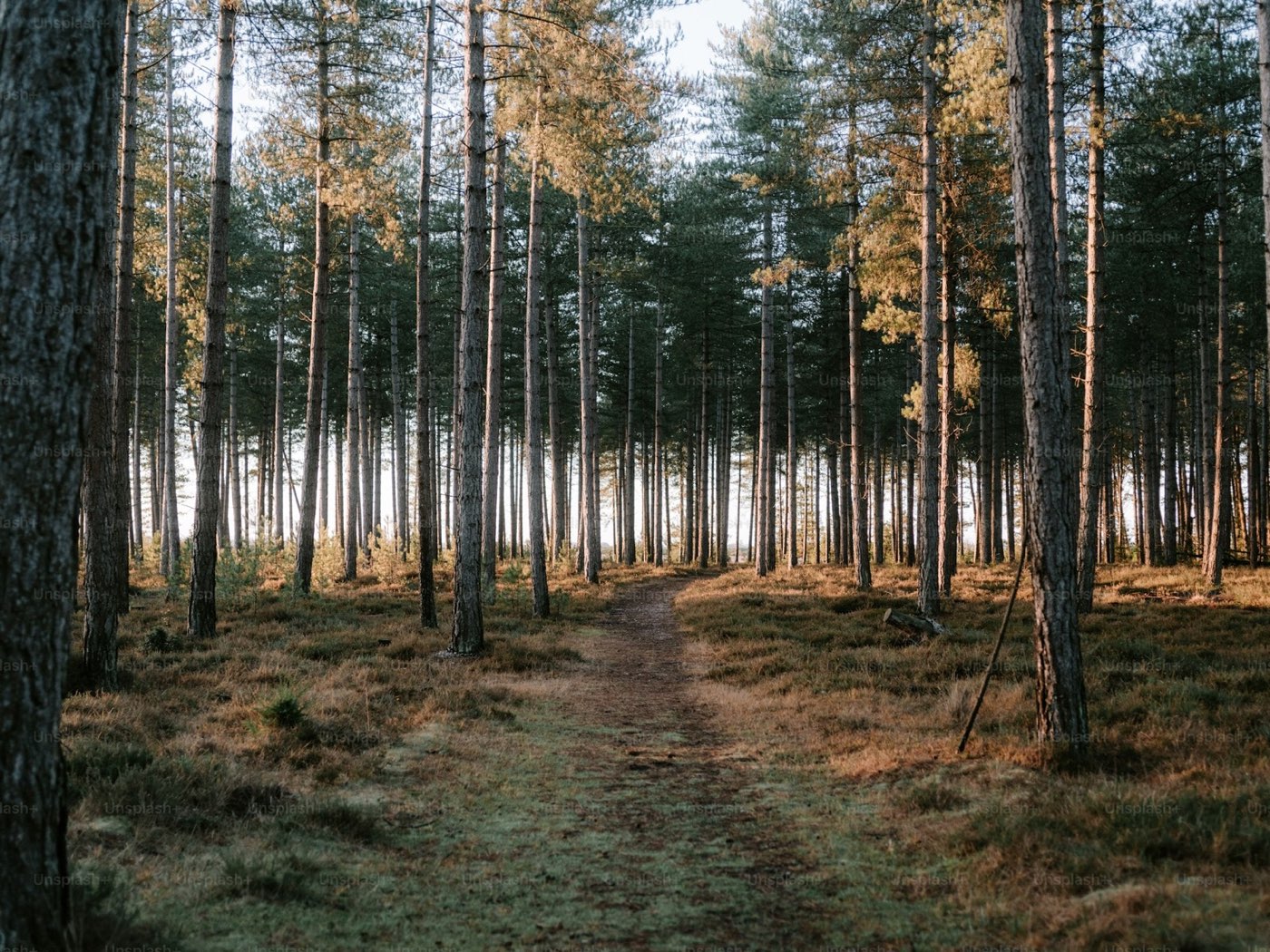
Hotels near Little Pend Orielle National Wildlife Refuge
1310 Bear Creek Rd., Colville, WA 99114
Hotels near Little Pend Orielle National Wildlife Refuge
Swipe to find hotels on the map.
- 1
Bennys Colville Inn
- 2
Selkirk Motel
- 3
Chewelah Motel and RV Park
- 4
Mistequa Casino Hotel
- 5
Columbia Point Resort
Booking with a group?
9+ rooms unlocks group rates — save up to 70%, everyone pays separately.
Which hotel fits best?
Best brands for outdoor recreation trips and amenities that actually matter.
What's around the venue?
Food, traffic, and game-day tips you won't find on other booking sites.
5 Hotels near Little Pend Orielle National Wildlife Refuge
Multiple hotel sources, one search — rates you won't find on a single booking site.

Bennys Colville Inn
Locally run properties adapt faster when muddy boots need attention overnight.
- Park overnight without extra fees during multi-day nature excursions
- Launch canyon explorations with simple, satisfying breakfast service included
- Settle into cozy rooms offering restful environments for weary explorers

Selkirk Motel
Immediacy defines the motel experience for nature enthusiasts managing outdoor equipment.
- Satisfy hunger anytime with onsite food service open day and night
- Find local trail maps and directions at the front desk
- Prepare for tomorrow's adventures with convenient in-room coffee and refrigerators

Chewelah Motel and RV Park
The motel advantage is speed from ignition-off to lights-out without extra walking.
- Refuel your adventure vehicle at adjacent service stations before departure
- Wake naturally with coffee makers ready for early trailhead departures
- Stock up on energy bars and drinks for your adventures

Mistequa Casino Hotel
This hotel type anticipates gear transport headaches and solves them before they begin.
- Drift off to sleep surrounded by original local artwork and calming tones
- Utilize complimentary area maps highlighting hiking trails and scenic viewpoints
- Select from continental spreads designed for guests on the move

Columbia Point Resort
Exceptional service bridges the gap between wilderness challenge and restoration.
- Discover therapeutic massages and wellness rituals in full-service spa facilities
- Receive detailed directions and GPS coordinates for remote outdoor locations
- Dine early with flexible hours designed for adventurous outdoor schedules
Booking 9+ rooms? Get group rates.
Little Pend Orielle National Wildlife Refuge Travel Guide
We built this guide so your team doesn't have to figure it all out from a Google search. Neighborhoods, restaurants, game day logistics, local tips — it's all here.
The Little Pend Oreille National Wildlife Refuge offers a tranquil escape into nature, ideal for outdoor enthusiasts and wildlife observers. This guide serves visitors planning a trip to explore its diverse habitats and scenic beauty. You’ll find practical information on navigating the refuge, nearby accommodations, dining options, and essential tips to maximize your experience. Prepare for an immersive journey into one of Washington’s most pristine natural areas.
Neighborhood Overview
Nestled in northeastern Washington State, the Little Pend Oreille National Wildlife Refuge is located approximately 10 miles east of the city of Colville. Access is primarily via Bear Creek Road, which is a paved county road for much of its length, eventually turning into a gravel forest service road deeper within the refuge. The nearest major airport is Spokane International Airport (GEG), located about 130 miles south of Colville, requiring a scenic drive of roughly 2.5 to 3 hours. Travelers typically drive from Spokane via US-395 North. Within Colville and the surrounding Pend Oreille County, road conditions can vary, especially in winter months, with seasonal closures possible for some interior roads. It is advisable to check local road conditions before your visit, particularly if planning to access more remote areas. Rideshare services are generally not available within the refuge itself, and vehicular access is the most practical way to explore. Plan your arrival to allow ample daylight for navigation, as roads can be winding and wildlife may be present.
Where to Stay
Accommodation options are primarily found in the nearby city of Colville, which offers a range of hotels, motels, and vacation rentals. While the refuge itself does not have lodging, Colville is situated within a 20- to 30-minute drive of the refuge's main access points, making it a convenient base. For those seeking a more immersive experience, some rustic cabin rentals or dispersed camping may be available in the surrounding national forest lands, though these require more self-sufficiency and planning. Hotels in Colville tend to fill up during peak seasons like hunting season or summer, so booking well in advance is recommended. Many visitors choose to stay in Colville for its amenities, including restaurants and grocery stores, which are not readily available within the refuge boundaries. Utilize map filters to search for lodging in Colville and then assess drive times to the specific areas of the refuge you plan to visit.
Quick-Plan Overview
Getting There
Spokane International Airport (GEG) is the closest major airport, about a 2.5-hour drive away.
Tip
Access the refuge via paved and gravel roads; check conditions and prepare for remote travel.
Food & Dining
Colville offers essential services, dining, and lodging within a 30-minute drive.
Rainy Day Plan
Pack layers and rain gear; weather can change quickly in the mountains year-round.
Explore Nearby
The refuge is best explored by vehicle, with pull-offs for wildlife viewing and short hikes.
- Spokane International Airport (GEG) is the closest major airport, about a 2.5-hour drive away.
- Access the refuge via paved and gravel roads; check conditions and prepare for remote travel.
- Colville offers essential services, dining, and lodging within a 30-minute drive.
- Pack layers and rain gear; weather can change quickly in the mountains year-round.
- The refuge is best explored by vehicle, with pull-offs for wildlife viewing and short hikes.
Trip Day Flow
Arrival & Preparation
As you plan your visit, prioritize understanding the refuge's remote nature. Ensure your vehicle is in good condition and consider carrying a spare tire and basic tools. Download offline maps, as cell service is unreliable within much of the refuge. Upon arrival in Colville, stock up on any necessary supplies, including food, water, and fuel, as amenities are scarce once you enter the refuge. Familiarize yourself with the refuge map and identify key access points and potential wildlife viewing areas before heading out. This proactive approach will ensure a smoother and more enjoyable exploration of the diverse natural landscapes.
Navigating the Refuge
Movement within the Little Pend Oreille National Wildlife Refuge is predominantly by vehicle, utilizing a network of interconnected roads. These roads lead to various trailheads, viewpoints, and dispersed areas suitable for wildlife observation. Take your time navigating these routes, as speed limits are low, and wildlife encounters are common on the road itself. Utilize designated pull-offs to safely stop and observe animals or enjoy scenic vistas without obstructing traffic. Many areas offer opportunities for short walks or hikes, allowing for deeper immersion into the habitat, but always be mindful of your surroundings and potential wildlife.
Departure & Reflection
As your visit concludes, remember that wildlife activity can be most pronounced during dawn and dusk. Plan your departure to coincide with safe driving conditions and ample daylight. Before leaving the refuge, take a moment to appreciate the vastness and tranquility of the area. Reflect on the species you may have encountered and the natural beauty you've experienced. The drive back to Colville or further destinations offers a chance to process your observations. Ensure you have disposed of any trash properly and adhered to all refuge regulations to preserve this special environment for future visitors.
Arrival & Preparation
As you plan your visit, prioritize understanding the refuge's remote nature. Ensure your vehicle is in good condition and consider carrying a spare tire and basic tools. Download offline maps, as cell service is unreliable within much of the refuge. Upon arrival in Colville, stock up on any necessary supplies, including food, water, and fuel, as amenities are scarce once you enter the refuge. Familiarize yourself with the refuge map and identify key access points and potential wildlife viewing areas before heading out. This proactive approach will ensure a smoother and more enjoyable exploration of the diverse natural landscapes.
Navigating the Refuge
Movement within the Little Pend Oreille National Wildlife Refuge is predominantly by vehicle, utilizing a network of interconnected roads. These roads lead to various trailheads, viewpoints, and dispersed areas suitable for wildlife observation. Take your time navigating these routes, as speed limits are low, and wildlife encounters are common on the road itself. Utilize designated pull-offs to safely stop and observe animals or enjoy scenic vistas without obstructing traffic. Many areas offer opportunities for short walks or hikes, allowing for deeper immersion into the habitat, but always be mindful of your surroundings and potential wildlife.
Departure & Reflection
As your visit concludes, remember that wildlife activity can be most pronounced during dawn and dusk. Plan your departure to coincide with safe driving conditions and ample daylight. Before leaving the refuge, take a moment to appreciate the vastness and tranquility of the area. Reflect on the species you may have encountered and the natural beauty you've experienced. The drive back to Colville or further destinations offers a chance to process your observations. Ensure you have disposed of any trash properly and adhered to all refuge regulations to preserve this special environment for future visitors.
Things to Do
Walkable
Little Pend Oreille National Wildlife Refuge Visitor Center
On siteThe Visitor Center, when open, serves as a valuable starting point for understanding the refuge's ecology and history. Displays often feature information on local flora and fauna, conservation efforts, and the geological features of the area. It's an excellent place to pick up maps, check for any current advisories or road conditions, and speak with knowledgeable staff about the best areas for wildlife viewing based on recent sightings. Spending a brief time here can significantly enhance your overall appreciation and planning for exploring the refuge's extensive network of trails and observation points.
Various Wildlife Viewing Pull-Offs
On siteThroughout the refuge's road system, numerous pull-offs offer direct access to prime wildlife viewing locations. These spots are strategically placed in areas known for abundant birdlife, deer, elk, and other native species. Many provide opportunities for short, informal walks into meadows or along the edges of forests and wetlands. Bring binoculars and a spotting scope for the best experience, and be prepared to wait patiently as wildlife often appears when least expected. These roadside stops are integral to the refuge experience, allowing for easy observation without extensive hiking.
5–15 Minutes Away
Colville National Forest - Sullivan Lake Ranger District
20-30 min drive to ColvilleWhile technically separate from the refuge, the Colville National Forest offers complementary recreational opportunities, including hiking trails, scenic drives, and access to natural areas that often overlap in wildlife and ecosystems. The Sullivan Lake area, a bit further afield but accessible from Colville, provides beautiful lake recreation and forest exploration. This is a good option for extending your outdoor adventure beyond the refuge boundaries, offering different perspectives on the regional natural beauty and varied landscapes.
Colville City Park
20-30 min driveLocated in the heart of Colville, this city park provides a pleasant green space for a break from driving or for families needing a place for children to stretch their legs. It typically features picnic areas, playgrounds, and walking paths, offering a relaxed environment amidst the town's amenities. It's a convenient spot to enjoy a packed lunch or simply unwind before or after your refuge excursion, offering a touch of local community and accessible recreation.
Walkable
- Little Pend Oreille National Wildlife Refuge Visitor Center — The Visitor Center, when open, serves as a valuable starting point for understanding the refuge's ecology and history. Displays often feature information on local flora and fauna, conservation efforts, and the geological features of the area. It's an excellent place to pick up maps, check for any current advisories or road conditions, and speak with knowledgeable staff about the best areas for wildlife viewing based on recent sightings. Spending a brief time here can significantly enhance your overall appreciation and planning for exploring the refuge's extensive network of trails and observation points. On site
- Various Wildlife Viewing Pull-Offs — Throughout the refuge's road system, numerous pull-offs offer direct access to prime wildlife viewing locations. These spots are strategically placed in areas known for abundant birdlife, deer, elk, and other native species. Many provide opportunities for short, informal walks into meadows or along the edges of forests and wetlands. Bring binoculars and a spotting scope for the best experience, and be prepared to wait patiently as wildlife often appears when least expected. These roadside stops are integral to the refuge experience, allowing for easy observation without extensive hiking. On site
5–15 Minutes Away
- Colville National Forest - Sullivan Lake Ranger District — While technically separate from the refuge, the Colville National Forest offers complementary recreational opportunities, including hiking trails, scenic drives, and access to natural areas that often overlap in wildlife and ecosystems. The Sullivan Lake area, a bit further afield but accessible from Colville, provides beautiful lake recreation and forest exploration. This is a good option for extending your outdoor adventure beyond the refuge boundaries, offering different perspectives on the regional natural beauty and varied landscapes. 20-30 min drive to Colville
- Colville City Park — Located in the heart of Colville, this city park provides a pleasant green space for a break from driving or for families needing a place for children to stretch their legs. It typically features picnic areas, playgrounds, and walking paths, offering a relaxed environment amidst the town's amenities. It's a convenient spot to enjoy a packed lunch or simply unwind before or after your refuge excursion, offering a touch of local community and accessible recreation. 20-30 min drive
Food & Drink
Inside & Adjacent
Limited Concessions (Seasonal/Variable)
On siteWithin the Little Pend Oreille National Wildlife Refuge itself, dining options are virtually nonexistent, especially outside of potential very limited, seasonal offerings at a visitor center if open. Visitors should expect to be self-sufficient regarding food and beverages. Planning to pack a picnic, snacks, and plenty of water is essential for any extended visit. Relying on services outside the refuge is the standard approach for meals and refreshments during your exploration.
Colville Restaurants (Various)
20-30 min driveIn Colville, a variety of dining establishments cater to different tastes. You can find casual diners offering classic American fare, pizza places for a quick and easy meal, and some cafes that provide lighter options like sandwiches and coffee. These options are convenient for grabbing breakfast before heading to the refuge or for a satisfying dinner after a day of exploring its trails and viewing wildlife. Check local listings for current operating hours and specific menus.
Nearby Gathering Spots
21 Steak and Spirits
20-30 min driveThis establishment in Colville often provides a more substantial dining experience, featuring steak and American-style dishes. It can be a good option for groups or individuals looking for a sit-down meal with a wider menu selection than typical fast-food or casual cafes. The atmosphere is generally geared towards adults, offering a place to relax and enjoy a meal after outdoor activities.
Colville Beer & Wine
20-30 min driveFor those seeking a casual spot to unwind with a drink and perhaps some appetizers or pub fare, local bars and pubs in Colville offer a relaxed atmosphere. These venues can be suitable for teams or families looking for a low-key place to gather, discuss their day, and enjoy local beverages. It’s a common choice for a casual evening meal or a pre-dinner drink.
Local & Elevated Picks
The Onion
20-30 min driveThis local favorite in Colville often gets high marks for its pizza and casual dining atmosphere. It’s a popular spot for families and groups looking for a reliable and tasty meal in a friendly setting. The menu typically includes a variety of pizzas, salads, and other comfort foods, making it a solid choice for refueling after a day immersed in nature.
Local Cafes & Delis
20-30 min driveColville hosts several smaller cafes and delis that offer handmade sandwiches, soups, salads, and baked goods. These spots are perfect for a lighter lunch or a coffee break. They provide a taste of local flavors and a more intimate dining experience compared to larger chain restaurants, often serving as a pleasant midday stop during your visit to the area.
Inside & Adjacent
- Limited Concessions (Seasonal/Variable) — Within the Little Pend Oreille National Wildlife Refuge itself, dining options are virtually nonexistent, especially outside of potential very limited, seasonal offerings at a visitor center if open. Visitors should expect to be self-sufficient regarding food and beverages. Planning to pack a picnic, snacks, and plenty of water is essential for any extended visit. Relying on services outside the refuge is the standard approach for meals and refreshments during your exploration. On site
- Colville Restaurants (Various) — In Colville, a variety of dining establishments cater to different tastes. You can find casual diners offering classic American fare, pizza places for a quick and easy meal, and some cafes that provide lighter options like sandwiches and coffee. These options are convenient for grabbing breakfast before heading to the refuge or for a satisfying dinner after a day of exploring its trails and viewing wildlife. Check local listings for current operating hours and specific menus. 20-30 min drive
Nearby Gathering Spots
- 21 Steak and Spirits — This establishment in Colville often provides a more substantial dining experience, featuring steak and American-style dishes. It can be a good option for groups or individuals looking for a sit-down meal with a wider menu selection than typical fast-food or casual cafes. The atmosphere is generally geared towards adults, offering a place to relax and enjoy a meal after outdoor activities. 20-30 min drive
- Colville Beer & Wine — For those seeking a casual spot to unwind with a drink and perhaps some appetizers or pub fare, local bars and pubs in Colville offer a relaxed atmosphere. These venues can be suitable for teams or families looking for a low-key place to gather, discuss their day, and enjoy local beverages. It’s a common choice for a casual evening meal or a pre-dinner drink. 20-30 min drive
Local & Elevated Picks
- The Onion — This local favorite in Colville often gets high marks for its pizza and casual dining atmosphere. It’s a popular spot for families and groups looking for a reliable and tasty meal in a friendly setting. The menu typically includes a variety of pizzas, salads, and other comfort foods, making it a solid choice for refueling after a day immersed in nature. 20-30 min drive
- Local Cafes & Delis — Colville hosts several smaller cafes and delis that offer handmade sandwiches, soups, salads, and baked goods. These spots are perfect for a lighter lunch or a coffee break. They provide a taste of local flavors and a more intimate dining experience compared to larger chain restaurants, often serving as a pleasant midday stop during your visit to the area. 20-30 min drive
Local Tips
Cell service is extremely spotty to non-existent within the refuge: download all maps and information beforehand.
Wildlife is most active at dawn and dusk: plan your viewing times accordingly for the best encounters.
Gravel roads can be rough: a vehicle with higher clearance is beneficial, especially after inclement weather.
Be prepared for variable weather: pack layers, rain gear, and sun protection regardless of the season.
Leave No Trace principles are crucial: pack out everything you pack in to preserve the pristine environment.
Seasonal note: The Little Pend Oreille National Wildlife Refuge offers a distinct experience throughout the year. Spring brings renewed life with blooming wildflowers and returning migratory birds, though trails can be muddy. Summer is ideal for hiking and wildlife viewing in pleasant temperatures, but be prepared for occasional heat and insects. Fall is spectacular with changing foliage, making it prime time for elk rut observation and hunting seasons; be aware of hunter activity. Winter transforms the refuge into a quiet, snow-covered landscape, accessible mainly by snowshoe or cross-country skis on certain roads, offering solitude and a chance to spot wintering wildlife.
- Cell service is extremely spotty to non-existent within the refuge download all maps and information beforehand.
- Wildlife is most active at dawn and dusk plan your viewing times accordingly for the best encounters.
- Gravel roads can be rough a vehicle with higher clearance is beneficial, especially after inclement weather.
- Be prepared for variable weather pack layers, rain gear, and sun protection regardless of the season.
- Leave No Trace principles are crucial pack out everything you pack in to preserve the pristine environment.
- Seasonal note: The Little Pend Oreille National Wildlife Refuge offers a distinct experience throughout the year. Spring brings renewed life with blooming wildflowers and returning migratory birds, though trails can be muddy. Summer is ideal for hiking and wildlife viewing in pleasant temperatures, but be prepared for occasional heat and insects. Fall is spectacular with changing foliage, making it prime time for elk rut observation and hunting seasons; be aware of hunter activity. Winter transforms the refuge into a quiet, snow-covered landscape, accessible mainly by snowshoe or cross-country skis on certain roads, offering solitude and a chance to spot wintering wildlife.
Weather & Seasons
Winter
Winter in this region can be harsh, with temperatures often dropping below freezing and significant snowfall accumulating. Visitors should expect icy conditions on roads and trails, potentially limiting access to some areas. Dressing in multiple insulated layers, including waterproof outer gear, is essential. Snowshoes or skis may be necessary for exploration. Wildlife may be more concentrated near accessible food sources, but often remain hidden in the thick forests.
Spring & early summer
Spring and early summer bring milder temperatures, though rain is common, and higher elevations can still experience frost or snow into late spring. Expect muddy conditions on unpaved roads and trails. This is a vibrant period for birdwatching as species return and begin nesting. Lightweight, waterproof layers are recommended, along with sturdy, water-resistant footwear. Wildflowers begin to bloom, adding color to the landscape.
Mid-summer
Mid-summer generally offers the warmest and driest weather, with daytime temperatures often pleasant but occasionally reaching into the high 80s or 90s Fahrenheit. Evenings can still be cool. This is a popular time for hiking and general exploration. Lightweight, breathable clothing is suitable, but always carry a light jacket or fleece for cooler mornings and evenings. Sun protection, including hats and sunscreen, is important due to the intense sun at higher elevations.
Fall season
Fall is characterized by crisp air, cooler temperatures, and a stunning display of autumn colors, especially in late September and October. Daytime highs are typically in the 50s and 60s, with nights getting cold. This season is excellent for viewing elk and deer during their rut. Layered clothing is key, including sweaters, fleeces, and a windproof outer layer. Be aware that hunting seasons are active during the fall.
Rain & snow
Precipitation can occur year-round in the mountains. Expect rain frequently in spring and fall, and snow from late fall through early spring. Thunderstorms are possible during summer afternoons. Always pack rain gear and be prepared for rapidly changing conditions. Wet weather can make roads slick and trails muddy or impassable, potentially impacting travel plans and requiring flexibility.
Winter
Winter in this region can be harsh, with temperatures often dropping below freezing and significant snowfall accumulating. Visitors should expect icy conditions on roads and trails, potentially limiting access to some areas. Dressing in multiple insulated layers, including waterproof outer gear, is essential. Snowshoes or skis may be necessary for exploration. Wildlife may be more concentrated near accessible food sources, but often remain hidden in the thick forests.
Spring & early summer
Spring and early summer bring milder temperatures, though rain is common, and higher elevations can still experience frost or snow into late spring. Expect muddy conditions on unpaved roads and trails. This is a vibrant period for birdwatching as species return and begin nesting. Lightweight, waterproof layers are recommended, along with sturdy, water-resistant footwear. Wildflowers begin to bloom, adding color to the landscape.
Mid-summer
Mid-summer generally offers the warmest and driest weather, with daytime temperatures often pleasant but occasionally reaching into the high 80s or 90s Fahrenheit. Evenings can still be cool. This is a popular time for hiking and general exploration. Lightweight, breathable clothing is suitable, but always carry a light jacket or fleece for cooler mornings and evenings. Sun protection, including hats and sunscreen, is important due to the intense sun at higher elevations.
Fall season
Fall is characterized by crisp air, cooler temperatures, and a stunning display of autumn colors, especially in late September and October. Daytime highs are typically in the 50s and 60s, with nights getting cold. This season is excellent for viewing elk and deer during their rut. Layered clothing is key, including sweaters, fleeces, and a windproof outer layer. Be aware that hunting seasons are active during the fall.
Rain & snow
Precipitation can occur year-round in the mountains. Expect rain frequently in spring and fall, and snow from late fall through early spring. Thunderstorms are possible during summer afternoons. Always pack rain gear and be prepared for rapidly changing conditions. Wet weather can make roads slick and trails muddy or impassable, potentially impacting travel plans and requiring flexibility.
Venue Facts
Primary animal focus
Birds, elk, deer, forest wildlife
Neighborhood
Remote wilderness area, near Colville
Nearest airport
Spokane International Airport (GEG)
Parking
Designated pull-offs and parking areas
Walkable district
Limited within refuge, primarily trailheads and viewpoints
Groceries & supplies
Available in Colville
Pharmacy
Located in Colville
Urgent care
Colville has a medical center
Downtime
Enjoy quiet observation or roadside picnics
Pro tip
Download offline maps and bring binoculars for optimal wildlife viewing.
| Primary animal focus | Birds, elk, deer, forest wildlife |
| Neighborhood | Remote wilderness area, near Colville |
| Nearest airport | Spokane International Airport (GEG) |
| Parking | Designated pull-offs and parking areas |
| Walkable district | Limited within refuge, primarily trailheads and viewpoints |
| Groceries & supplies | Available in Colville |
| Pharmacy | Located in Colville |
| Urgent care | Colville has a medical center |
| Downtime | Enjoy quiet observation or roadside picnics |
| Pro tip | Download offline maps and bring binoculars for optimal wildlife viewing. |
Frequently Asked Questions
Real questions travelers ask before booking near Little Pend Orielle National Wildlife Refuge — answered with the specifics you actually need.
Questions Travelers Ask What people want to know before booking near Little Pend Orielle National Wildlife Refuge
What are the closest hotels to Little Pend Orielle National Wildlife Refuge?
The closest hotel to Little Pend Orielle National Wildlife Refuge is Bennys Colville Inn (15.27 mi, from $144/night) — a 31-minute drive. Other nearby options include Selkirk Motel (15.64 mi, from $114/night) and Chewelah Motel and RV Park (21.03 mi, from $139/night).
Hotel Amenities & Features Pools, breakfast, pet policies, and more

Other wildlife refuges nearby
Also planning a multi-venue trip? Check these within 50 miles.
Ready to book near Little Pend Orielle National Wildlife Refuge?
5 hotels to choose from. Lowest rate guarantee, flexible cancellation on most rooms, and a support team that gets sports travel.